
Connecting researchers, science, engineering and industry to advance Dutch planetary science and exploration.
AT THE INTERFACE OF GEOSCIENCE & ASTRONOMY
Planetary science is a scientific field situated at the interface of the geosciences and astronomy. Research and engineering in this domain relies on methods championed by these respective fields and targets key questions related to planet formation, planetary evolution, habitability and the origins of life.
LET’S WORK TOGETHER!
The Platform
The Netherlands Platform for Planetary Science (NPP) is a national entity that aims to connect researchers and engineers from various fields in all stages of their careers. In addition to facilitating synergies between science and industry and advising policy makers, we foster links between the geoscience and astronomy communities and origins of life research consortia.

EXpertise network
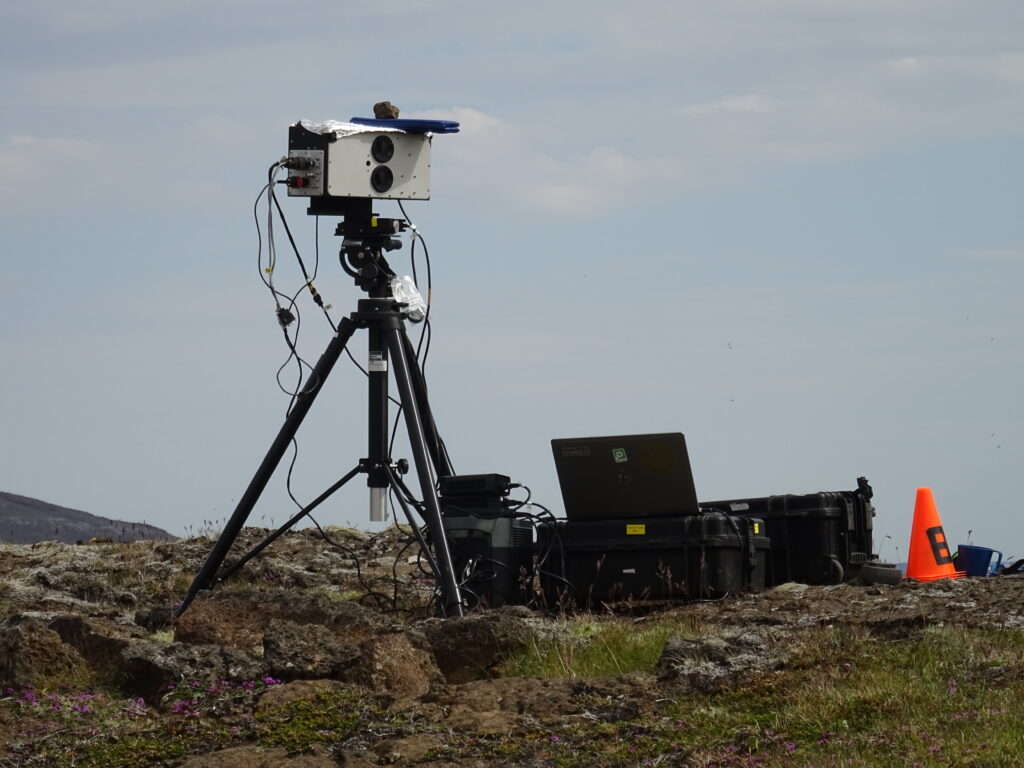
Our Expertise Network on Observables of Planetary Habitability is a 5-year project that builds on existing Solar System expertise in the Netherlands to establish a framework for developping a set of key observables and instrument priorities that enable in situ or remote detection of planetary habitability.
RESEARCH PORTFOLIO
Highlighted: tidal tomography reveals a thermal anomaly beneath Mars’s crustal dichotomy
Mars undergoes seasonal tidal forcing as a result of its eccentric orbit and the tilt of its rotation axis relative to the Sun. Response to this forcing produces temporal variations in the Martian gravity field and is sensitive to the internal structure of the planet. Using tracking data from the Mars Global Surveyor (MGS), Mars Odyssey (ODY) and Mars Reconnaissance Orbiter (MRO) spacecraft, we demonstrate that degree-3 components of the time-variable gravity field of Mars differ by up to 300% from predictions for a spherically symmetric planet. These deviations can be explained if the effective shear modulus of the mantle varies by >20% over a roughly north–south pattern that closely aligns with the surface expression of the Martian crustal dichotomy. On the basis of this correlation, we infer preservation of a 200–400 °C thermal anomaly in the present-day mantle below the southern highlands of Mars. This temperature variation could reflect regional mantle convection or insulation by the thick southern highlands crust of Mars that has persisted over several billion years.
RESEARCH FACILITIES
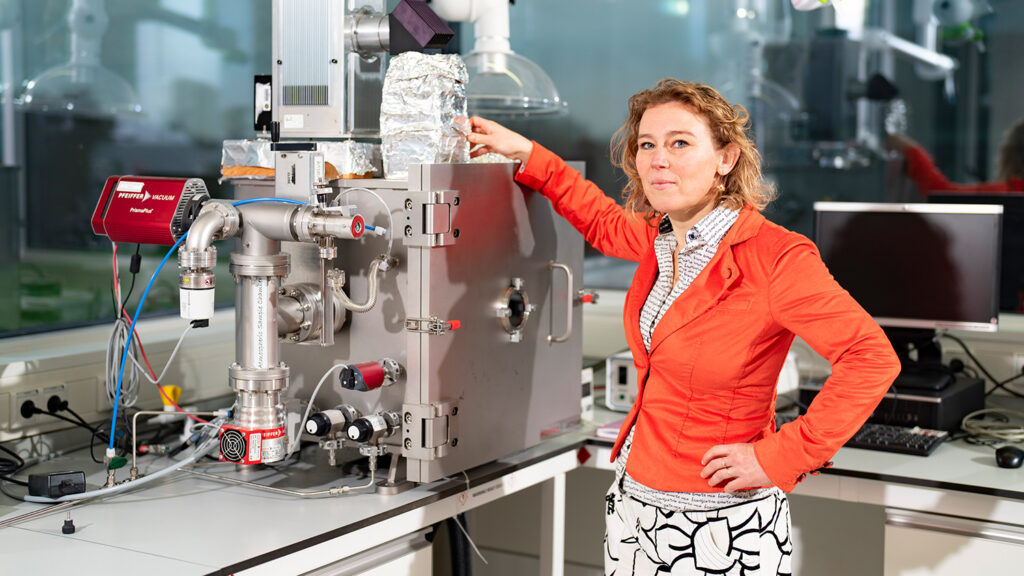
Research in the domain planetary science not only uses satellite data and numerical approaches. It also relies on hands-on methods and laboratory facilities championed by the geosciences and astronomy.
Join our newsletter
The Dutch Planetary Science Community Newsletter is published by the NPP. In addition to community updates, events, conferences and funding opportunities, we will bring you the latest news and opportunities to connect.
KEEP ON EXPLORING!
Latest News
-

Europlanet Science Congress wraps up in The Hague
Read more: Europlanet Science Congress wraps up in The HagueThe first Dutch edition of the Europlanet Science Congress (EPSC) took place from 6-11 September in The Hague. A total of 1,203 participants (149 from The Netherlands) joined the congress in the wonderful Amare venue in the heart…
-
Life-detection chip to be tested during TU Delft PocketQube mission
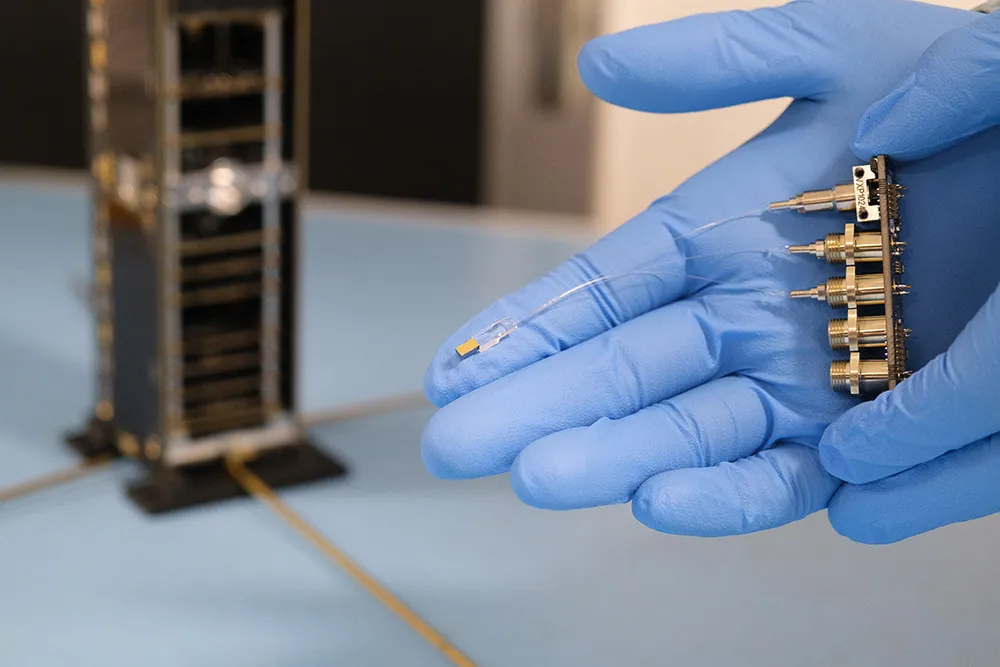
Read more: Life-detection chip to be tested during TU Delft PocketQube missionThe Netherlands is a leader in both photonic chips and space technology. Now these two worlds meet, as two teams at TU Delft’s Faculty of Aerospace Engineering are joining forces. One develops miniature satellites, the other uses advanced…
-

Rubicon grant for planetary pyroclastic density currents
Read more: Rubicon grant for planetary pyroclastic density currentsNo fewer than fifteen talented researchers who have recently completed their PhDs are being given the opportunity to gain valuable research experience abroad. The Rubicon round, organised by NWO, had a budget of over 3.1 million euros. One…
-
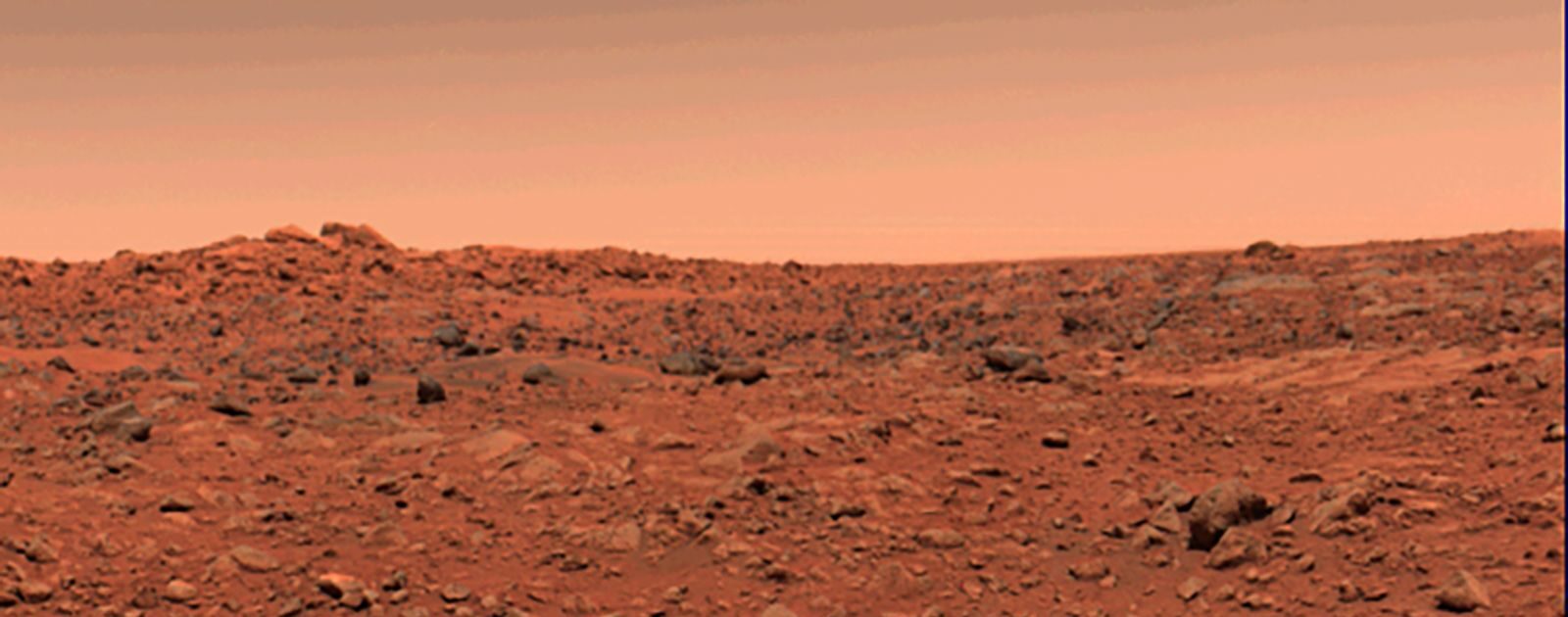
“We must resume the search for life on Mars as soon as possible”
Read more: “We must resume the search for life on Mars as soon as possible”Exactly 50 years ago on 20 July 1986, Viking 1 landed on Mars. The spacecraft was part of the only mission ever to have searched for extraterrestrial life. With calls growing for humans to be sent there too,…
-
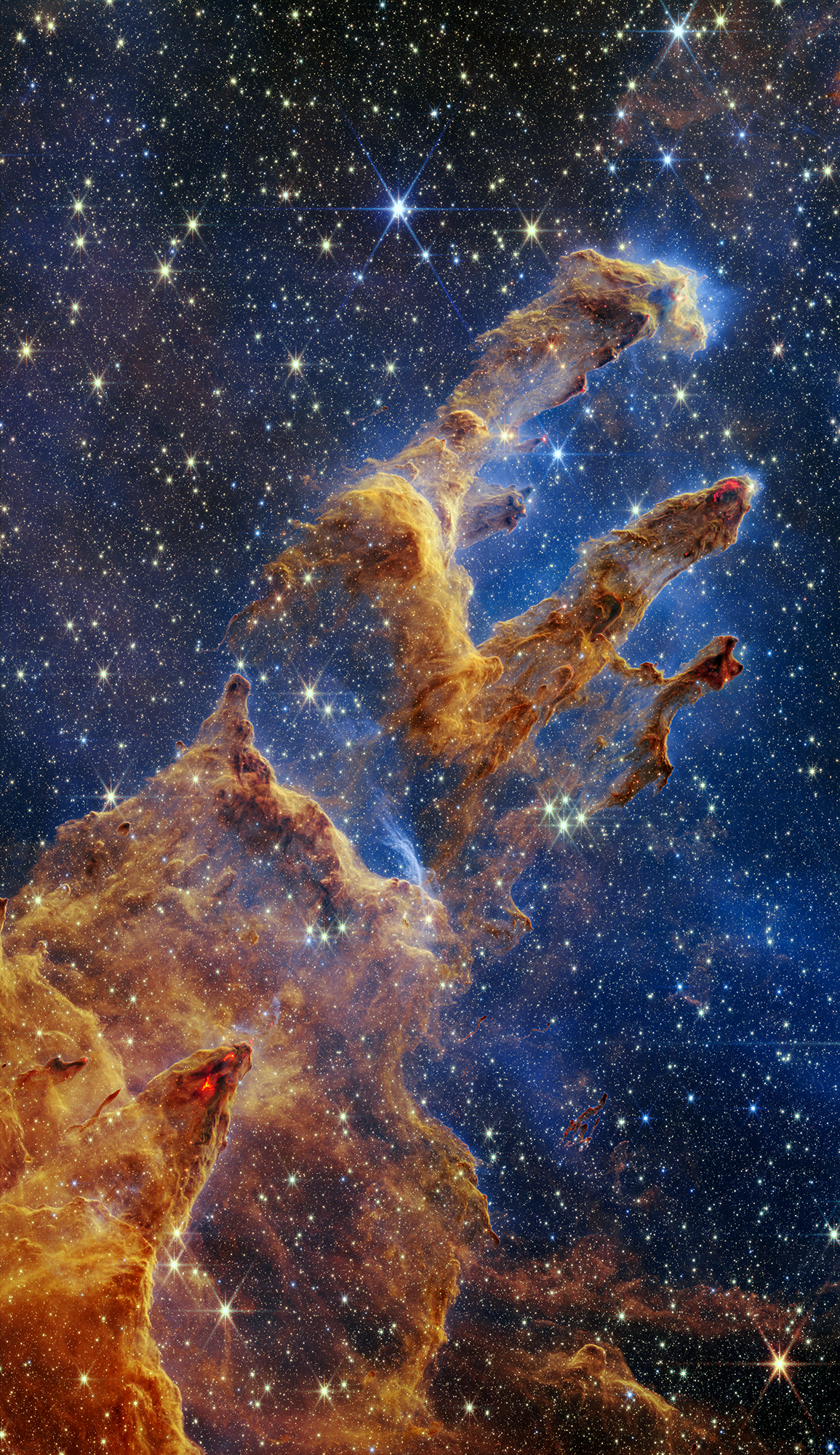
Missed opportunities in the search for extraterrestrial life
Read more: Missed opportunities in the search for extraterrestrial lifeSuppose there are signs of extraterrestrial life and we have not yet been able to detect them. What does that mean? In the renowned journal Nature Astronomy, researchers discuss the consequences of these so-called false-negative results. “We are currently…
-
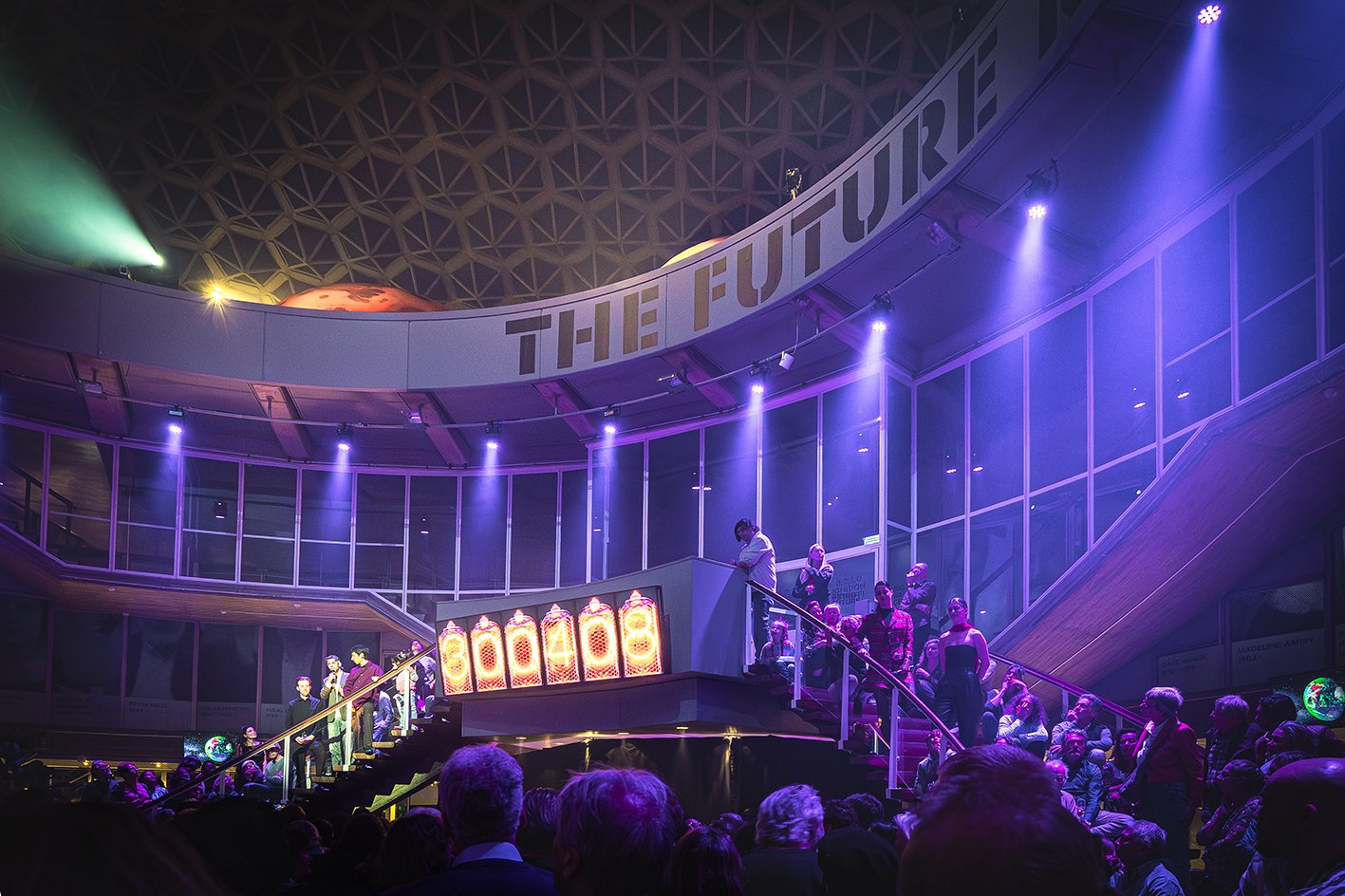
PRELIFE: Big questions with few answers
Read more: PRELIFE: Big questions with few answersHow, where, and when did life on Earth first emerge? These are three major questions to which many small, but no major, answers exist — questions that no single field of study can answer. That is why the…